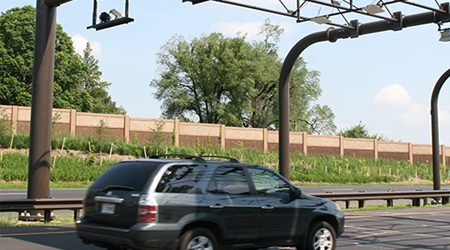
Toll facilities have transformed in recent decades, allowing drivers to pay tolls – via transponder, license plate image, app payment – without stopping or even slowing. This reality comes with many benefits: the stress and delay of traffic congestion at toll booths are being eliminated; vehicle emissions are reduced; travel is safer and more convenient; and customer service is increased. In the era of COVID-19 a touchless toll payment system is even more critical, and many toll authorities have pivoted quickly as a result.
However, this technology brings with it challenges related to consumer confusion, interoperability, enforcement and toll violators across jurisdictions. To achieve a seamless regional system that serves tolling customers while minimizing revenue losses requires a coordinated approach. The Eastern Transportation Coalition has served and will continue to serve as a forum to bring together toll authorities to work toward solutions that work for customers and toll road operators.

Virginia Reeder
Innovation Program Director
The Eastern Transportation Coalition
[email protected]
The Eastern Transportation Coalition organized the Toll Violation and Enforcement Reciprocity (TVER) Working Group to:
Since 2019, the Coalition has hosted two workshops per year. Each workshop has focused on a different topic that helps agencies explore solutions to achieve the above objectives:
The authority to enforce the collection of tolls – both for travelers registered within a state and those registered out of state – is established and enforced in a variety of ways among the Coalition’s member agencies. Below is posted the documents that grant these authorities, as they relate to each state.